


Black History Month recognizes the achievements of African Americans in the U.S. and around the world. The pharmacy profession has its own history that is rich with trailblazers who broke barriers and changed our profession for the better.
KIHS would like to share a few stories of African American pioneers who broke barriers and changed the face of health care. They altered history and paved the way for future generations….
African American pharmacists and pharmacies have long been an important part of Black communities. These pharmacists of color, many of whom received their education at HBCUs, paved the way for today’s growing number of pharmacists from underrepresented groups in the United States. They made significant contributions to the pharmaceutical space, from the apothecary shop to the retail pharmacy and the hospital- allowing future generations to have it much easier than they did! We appreciate the contributions and sacrifices made by these and other Black pioneers over time to make pharmacy practice a more diverse and inclusive specialty. Only by having a diverse range of backgrounds and perspectives on our team will we be able to provide individualized, trustworthy, and equitable care.
James McCune Smith
James McCune Smith was born into slavery 50 years before the American Civil War and was determined to rise above his station. He is widely regarded as the first African American to receive a medical degree and the first to own and operate his own pharmacy. Smith crossed the Atlantic to study in Scotland at Glasgow University, earning three degrees, including a doctorate in medicine. This was due to being denied admission to study in college in the United States due to the color of his skin. Smith returned to America after a brief internship in Paris, opened a pharmacy and medical office at 55 West Broadway, New York and served patients of all races.
He used his medical background to become a prominent abolitionist and activist. Smith used his medical and scientific training to write papers and deliver powerful speeches challenging widely held stereotypes of the time. This included the notion that head size and shape determined the intelligence of various races and that Northern Blacks, who were emancipated, were more prone to crimes than their enslaved brethren. Smith died from congestive heart failure in 1865. The United States Constitution’s Thirteenth Amendment was ratified nineteen days later, effectively abolishing slavery. Smith was inducted as a Fellow of the New York Academy of Medicine in 2018, 153 years after he died.
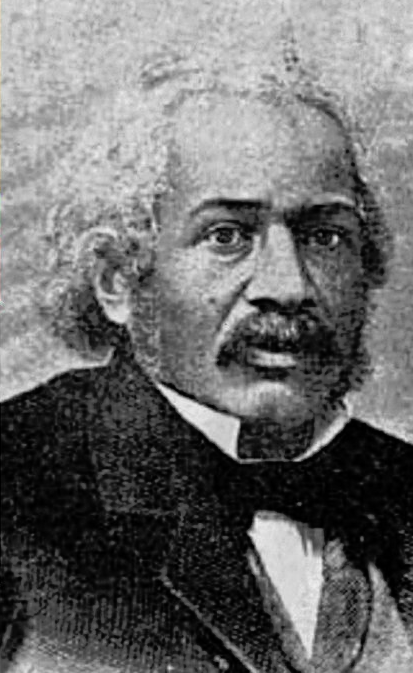
April 18, 1813 – November 17, 1865
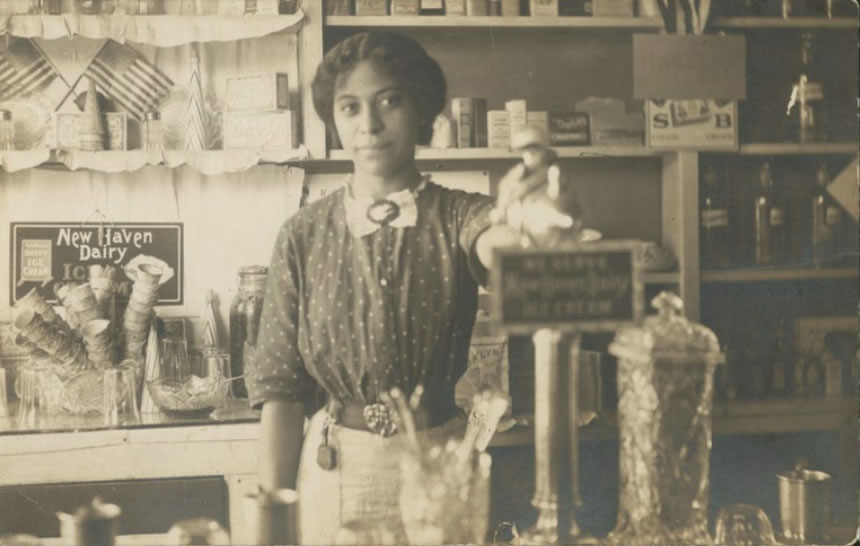
January 19, 1886 – December 12, 1977
Anna Louise James
Anna Louise James did more than just break down barriers! She challenged conventional notions of race and gender in the early 20th century.
Anna Louise James, a student at Brooklyn College of Pharmacy from 1905-1908, broke boundaries by becoming the first African American woman to graduate from the institution. James was born in 1885 and is sometimes referred to as “the Black Woman Chemist” because she was the first licensed female pharmacist in the United States and became a successful businesswoman.
During World War I, when her brother-in-law was called into service and operations were handed over to her, she was in charge of the pharmacy until 1967. Over the course of those 50 years, James and her pharmacy earned a reputation for being generous, finding ways to get people their medication even if they couldn’t always pay.”
The James Pharmacy was added to the National Register of Historic Places in 1994. Anna Louise James, who died in 1977 at the age of 91, lived in the back of the pharmacy. Her story inspired other Black women to pursue a career in pharmacy in the decades that followed.
Mary Munson Runge
It’s easy to believe that all color lines were crossed a long time ago. However, Mary Munson Runge’s story serves as a good reminder that progress is always fought for and won, even in modern times.
Runge became president of the American Pharmacists Association in 1979, making her the first woman and the first Black to have the position. This also marked the end of a 126-year run of male, white presidents.
Runge was born on the outskirts of the Louisiana delta in 1928 to another pioneer. Her father was the town’s first African-American pharmacist. Runge graduated from Xavier University of Louisiana College in 1948, following in her father’s footsteps, before moving to California. Her career as a hospital pharmacist led her to become a community pharmacist, assisting low-income individuals in obtaining medication. She worked tirelessly in advocating for the profession and increasingly sought to bring more minorities and women into its fold. She continued to practice after her two terms expired in 1981 while also serving on a number of federal committees over the next two decades. In 1997, Runge was inducted into the California Pharmacists Association Hall of Fame. Following her death in 2014, the American Pharmacists Association created a scholarship in her honor.
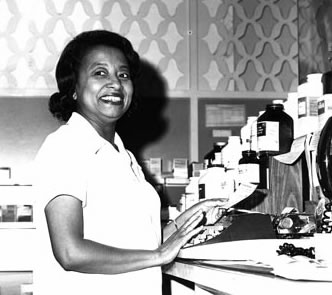
July 25,1928 – January 8, 2014
A Little More Knowledge
Role of the Historically black colleges and universities (HBCUs) schools of pharmacy…..
HBCUs were schools founded specifically to meet the educational needs of Black Americans. The first HBCU was established in 1837. Because of segregation, Black students were barred from attending traditional colleges and universities at the time. HBCUs now educate a racially diverse student body and provide students with a rich cultural history. HBCUs are schools founded specifically to meet the educational needs of Black Americans. Black students lacked structured higher education systems prior to their establishment. The first HBCU was established in 1837. Because of segregation, Black students were barred from attending traditional colleges and universities at the time. HBCUs now educate a racially diverse student body and provide students with a rich cultural history.